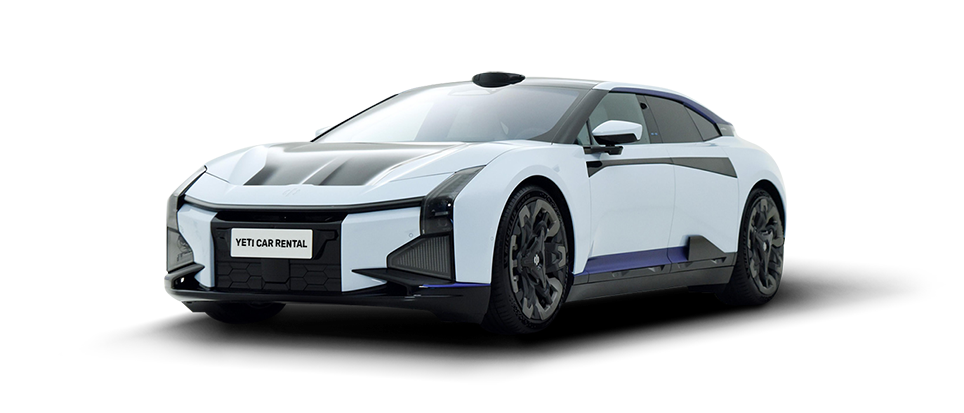
How to Lease a Car: Your Comprehensive Guide
Leasing a car can be a practical solution for many drivers, offering the benefits of driving a new vehicle without the commitment of ownership. Whether you’re looking for a short-term arrangement or a way to drive the latest models without the hefty down payment, understanding the leasing process is crucial. In this guide, we will walk you through the essential steps of leasing a car, key terminology, tips for securing the best deal, and more. Additionally, if you’re looking for reliable options, consider checking out How to lease a car in Al Sufouh https://www.yeti.ae/ for a variety of leasing solutions that may suit your needs.
What is Car Leasing?
Car leasing is essentially a long-term rental agreement. Instead of buying the vehicle, you pay to use it for a predetermined period, usually 2 to 4 years. At the end of the lease term, you typically return the car or have the option to buy it at a predetermined price. Leasing can be appealing for those who like to drive a new vehicle every few years.
Benefits of Leasing a Car
- Lower Monthly Payments: Leasing often results in lower monthly payments compared to financing a purchase.
- Newer Vehicles: You can drive a new car every few years, enjoying the latest technology and features.
- Lower Repair Costs: Most leases last the duration of the manufacturer warranty, meaning you won’t incur significant repair expenses.
- Flexible Options: At the end of your lease, you can simply return the car or purchase it, giving you choices depending on your needs.
How to Lease a Car in 5 Simple Steps
Step 1: Assess Your Needs
Before you begin the leasing process, it’s essential to determine your needs. Consider factors such as how many passengers you typically drive with, cargo space requirements, and how far you will drive each month. Also, think about what features are important to you in a vehicle, like fuel efficiency, tech capabilities, and safety features.
Step 2: Set Your Budget
Knowing how much you can afford to spend monthly on a lease helps narrow down your options. Make sure to factor in potential costs, including insurance, maintenance, and fuel. A good rule of thumb is to keep your total transportation costs within 15% of your total income.
Step 3: Research Different Vehicles

Once you understand your needs and budget, start researching vehicles that meet those criteria. Look for cars that have favorable leasing terms and high resale values, as these factors typically influence lease costs. Online platforms and car dealerships provide valuable insights, reviews, and comparisons to help in your decision-making process.
Step 4: Understand Lease Terms
Leasing has its own set of terms and conditions that you need to understand. Some key terminology includes:
- Capitalized Cost: The price of the car being leased, which may include taxes and fees.
- Residual Value: The estimated value of the car at the end of the lease term, which affects your monthly payment.
- Money Factor: The interest rate on the lease, which determines how much you’ll pay in interest.
- Mileage Allowance: The maximum number of miles you can drive the car without incurring extra fees.
Step 5: Shop Around and Negotiate
Visit multiple dealerships and use your research to negotiate terms. Don’t be afraid to walk away from a deal if it doesn’t meet your expectations. Many dealerships may be willing to negotiate to win your business.
What to Look Out for When Leasing
While leasing can be a great option for many, there are potential downsides you should be aware of:
- Excess Mileage: Going over the mileage limit can result in significant fees.
- Wear and Tear Charges: If the car is returned with excessive wear and tear, you may need to pay for repairs.
- No Ownership: At the end of the lease, you do not own the car; you must either return it or purchase it.
- Long-Term Cost: Leasing frequently may lead to higher overall costs compared to buying a car and keeping it long-term.
Conclusion
Leasing a car can be an excellent option for many drivers, especially those who prefer to drive new vehicles every few years without significant financial commitment. By following the steps outlined in this guide, you can make informed decisions that meet your needs and budget. Take your time, do thorough research, and don’t hesitate to negotiate for the best possible deal. Whether you’re looking for the latest models or the most economical options, there is a lease agreement waiting for you.
Additional Resources
For those interested in learning more about leasing, consider visiting automotive blogs, dealership websites, and financial advisories that provide insights and tips for car leasing. Know your options, be informed, and make the best decision for your personal circumstances.
No Comments