Movie art
Close up of businessman handshake intern greeting with promotion. Close up of businessman shaking hand of colleague at office meeting, congratulating with work achievement, boss handshake happy satisfied intern greeting with job promotion Zoomex Exchange Review. Concept of rewarding
Successful black businessman looking at camera celebrating success got promotion. Successful proud black businessman looking at camera celebrating victory got promotion or reward, happy african employee taking congratulations from colleague on professional achievement in office
Social buttons thumb up like and red heart background. Social media likes falling background for advertisement, promotion. Social buttons thumb up like and red heart background. Social media likes falling background for advertisement, promotion, marketing, internet, SMM, CEO – for stock
undefined
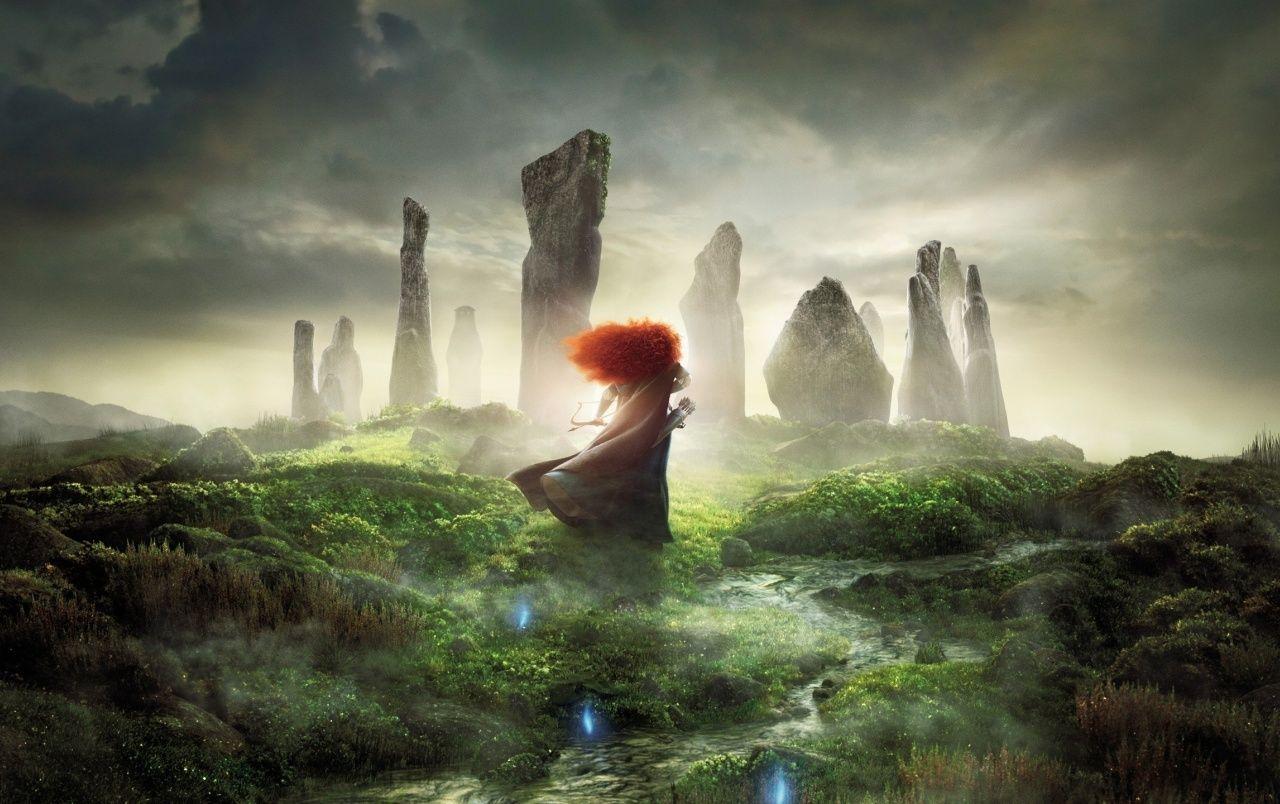
Cinematic artwork
Jean-Luc Godard’s films are particularly known for their heavily constructed visuals, often merging close-ups of actual paintings (that are occasionally visual puns on the characters’ names) with cinematic reproductions of them. Juxtapositions that are not just relational but disruptive, slice up the action, and punctuate the narrative with deliberation in Godard’s filmography. Resemblances to paintings are uncanny in Jean-Luc Godard’s opus, with the most recognizable and recognized references in his 1982 film Passion.
Cinematic framing allows painters to craft compositions that draw the viewer into the scene, creating a sense of movement and anticipation. Techniques borrowed from film, such as dramatic lighting and color palettes, help to set the mood and tone, enhancing the emotional impact of the artwork. Narrative storytelling, through the use of sequential art and symbolism, provides a depth of meaning that encourages viewers to delve beyond the surface and engage with the artwork on a deeper level.
“The Birth of Venus” (1484-1485) has greatly influenced popular culture. The most well-known tribute is certainly the iconic scene from Terry Gilliam’s film “The Adventures of Baron Munchausen” (1988). The director takes Botticelli’s depiction and transposes it into a larger-than-life seashell, containing the goddess interpreted by Uma Thurman.
Jean-Luc Godard’s films are particularly known for their heavily constructed visuals, often merging close-ups of actual paintings (that are occasionally visual puns on the characters’ names) with cinematic reproductions of them. Juxtapositions that are not just relational but disruptive, slice up the action, and punctuate the narrative with deliberation in Godard’s filmography. Resemblances to paintings are uncanny in Jean-Luc Godard’s opus, with the most recognizable and recognized references in his 1982 film Passion.
Cinematic framing allows painters to craft compositions that draw the viewer into the scene, creating a sense of movement and anticipation. Techniques borrowed from film, such as dramatic lighting and color palettes, help to set the mood and tone, enhancing the emotional impact of the artwork. Narrative storytelling, through the use of sequential art and symbolism, provides a depth of meaning that encourages viewers to delve beyond the surface and engage with the artwork on a deeper level.
“The Birth of Venus” (1484-1485) has greatly influenced popular culture. The most well-known tribute is certainly the iconic scene from Terry Gilliam’s film “The Adventures of Baron Munchausen” (1988). The director takes Botticelli’s depiction and transposes it into a larger-than-life seashell, containing the goddess interpreted by Uma Thurman.
Cover image
Make sure your LinkedIn Background image combines your personality with your skill set to help you stand out from the rest! Each touch point is a chance to make a lasting impression on potential employers and business connections.
Enhance your LinkedIn profile with a polished, tailored cover photo that aligns with your professional image. Showcase your expertise and set the tone for your profile with a design that speaks to your career achievements.
Whether you’re updating a Facebook page or personal profile, a professional cover will help you stand out. And thanks to the Desygner app, you can create your cover the moment inspiration strikes. Snap a photo, open the app, upload the file and start designing.
Retro graphic
Brands looking to embrace nostalgic design can follow these strategies: Research the Target Audience – Understand the era that resonates most with your audience. Combine Old with New – Blend vintage aesthetics with modern elements to keep designs fresh. Use Authentic Elements – Incorporate textures, fonts, and colors true to the era. Tell a Story – Nostalgia works best when it evokes memories and emotions through storytelling.
Nostalgic graphic design is not just about bringing back old aesthetics-it’s about creating emotional connections with audiences. By integrating vintage elements into branding, businesses can evoke trust, warmth, and a sense of familiarity that sets them apart. If you’re looking to enhance your brand identity with nostalgic design, our services can help.
“Retro style is a style that is imitative or consciously derivative of lifestyles, trends, or art forms from the historical past, including in music, modes, fashions, or attitudes. It may also be known as “vintage-inspired”.” (Wikipedia).
Pop Art is one of the most iconic examples of modern retro graphic design. It blends bold, graphic visuals with a sense of nostalgia for mid-20th-century popular culture. Pop Art takes retro elements and transforms them into a modern look with vibrant colors and visuals like comic strips.
If you’re a 60s, 70s or 80s child at heart, you’ll be happy to know that retro design is alive and well! Since making a comeback in 2019, the retro graphic design trend has dominated the design space, popping up everywhere from industrial, interior and graphic design to social media and pop culture.
No Comments